
 By seema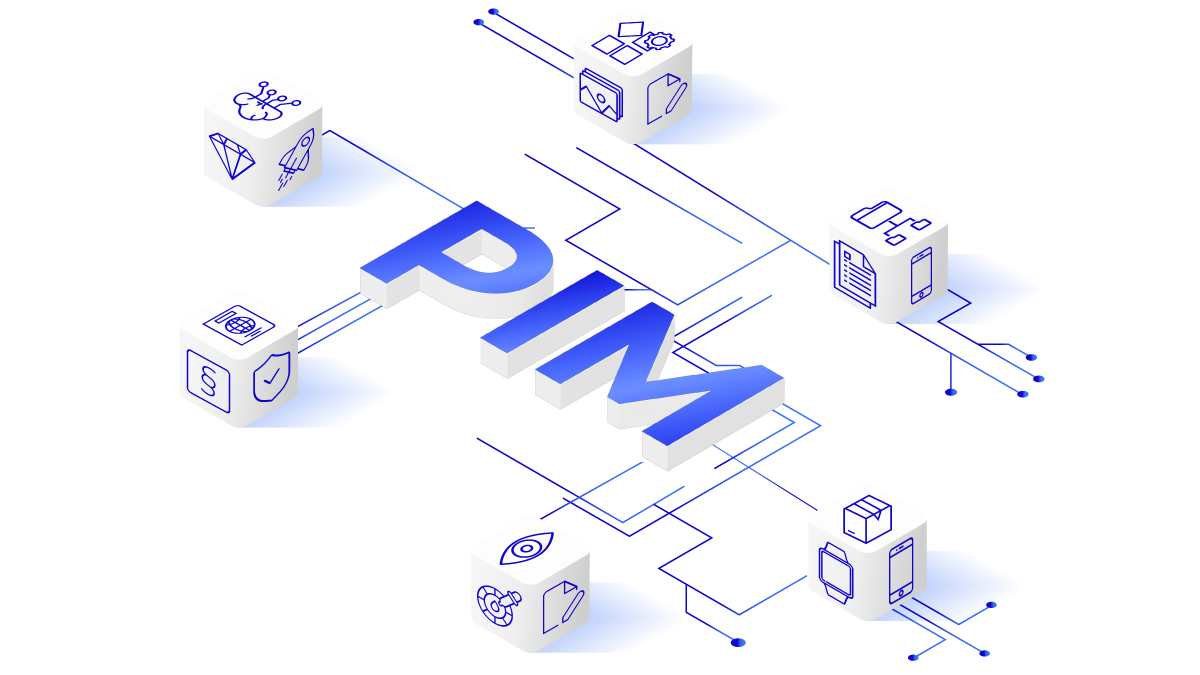
Digital commerce is under pressure, and competition is increasing. Companies today must offer precise, enjoyable, and consistent customer experiences across all channels. This requires the management of two crucial aspects: product data as well as digital assets.
Product Information Management (PIM) ensures that product information, such as attributes, SKUs, US, and pricing and localized data, remains up-to-date. Digital Asset Management (DAM) is the governing body for the creative layervideos, images, AR/3D files, and marketing collateral.
Each system brings order and structure. Together, they provide one source of truth in which data about the product and media are interconnected. This integration has gone from an operational necessity to a business requirement, giving companies the flexibility and control they need to be competitive on a large scale.
The Business Benefits of Integrating
If PIM as well as DAM are integrated, companies have complete control over the information about products and media. The benefits can be seen throughout the company:
- Accelerated Time-to-Market: Data changes and asset modifications flow together and allow creative, marketing, as well as commerce departments to roll out products more quickly.
- Consistency and Integrity of Brands: Customers are presented with the same information and images across the web, mobile, and social media channels, thereby enhancing trust and avoiding costly mistakes.
- Improved Customer: Engagement through Content that is accurate and rich- including specifications, images, videos, and interactive previews boosts confidence when making purchases.
- Operational Efficiency at Scale: Repetitive methods are eliminated. Teams no longer have duplicate assets and reconcile data across systems, or seek approvals by hand.
- Risk Reduction and Governance: Synchronization helps to ensure licensing rights are enforced, monitor use, and keep track of compliance. This is supported by a thorough audit trail.
How does AI improve the PIM and DAM?
Integration itself is efficient, but the inclusion of AI technologies transforms PIM and DAM into systems that adapt and learn:
- Automated Metadata Enrichment: DAM platforms can analyse videos and images, creating tags that feed into PIM, decreasing the need for manual input and increasing the accuracy.
- Predictive Data Validation (AI): PIM systems that are AI-enabled can suggest missing attributes, detect anomalies, and validate field data against patterns that are known patterns.
- The Asset Variant, as well as Adaptation: AI, can automatically create images and color adjustments as well as localized versions, which speeds up the release of content specific to channels.
- The Content: Recommendations are based upon the performance and usage datand a, and AI suggests which media assets should be used in conjunction with specific brands or areas.
- Automated Publishing Pipelines: Workflows that are integrated and powered by AI can combine the records and assets of a product to verify compliance and directly publish to the channels without intervention.
Through AI integration, PIM and DAM shift from static repositories into proactive engines that anticipate the needs of business.
Building the Right Foundation
leads to the problem is designing an architecture that supports the integration process and grows with it. The most important considerations are:
- API-First, API-Composable Platforms: Choose PIM and DAM solutions designed to work with ERP, CMS, and CDP, along with marketing platforms.
- Uniform Metadata and taxonomies: Assure that the attributes and identifiers of products correspond directly to the digital asset, while keeping media and data in sync.
- Flexible Infrastructure: Cloud as well as CDN-based systems allow for the ability to manage thousands of SKUs as well as other assets with no performance problems.
- AI, as well as the Automation Layer: Embed AI services to extract metadata and the detection of anomalies, content suggestions, and the generation of assets.
- Security and Governance Contr: Rols Use uniform security policies as well as digital rights management and audit logs on assets and data.
- Incremental Rollout: Start by launching a pilot product line or specific market, improve the governance process, and expand across the entire enterprise.
When companies unify PIM and DAM by integrating AI and AI, the results are quantifiable:
- More rapid product launches in international markets.
- Reduced costs due to asset reuse and a reduction in manual labor.
- Fewer compliance errors and fewer licensing violations.
- More conversion rates because visuals and data are aligned.
- Scale that is predictable and does not have any operational costs that are excessive.
- A future-ready platform capable of accommodating AR, VR, and personal experiences.
Important Takeaways
- Unified Foundation: The future of digital commerce is dependent on the treatment of product data and media as an integrated system. PIM, together with DAM, makes up the basis to ensure accuracy, agility, and trust in brands.
- AI-Enhanced Growth: AI capabilities integrated, businesses go beyond basic management, creating automated workflows that are intelligent, flexible, and personalized on a massive scale.
- Strategic Imperative for Leaders: To CTOs, IT heads integration is no longer an option. It is a key capability that enables both operational efficiency as well as growth in business.
- The Point of Decision: Enterprises have to decide whether they want to continue operating in silo, or invest in infrastructure where data about products and digital assets can work together to boost growth and offer exceptional customer experience.
Are you ready to break down the silos and create a united base for data about products or digital assets? Find out how AI-enabled PIM, along with DAM integration, can simplify your processes, improve the governance of your business, and boost growth. Request a custom demo today.